
Five Lessons from Putting a Deep Learning ECG Classifier on an FPGA

Code and style conventions are crucial in team projects and across a company because they promote consistency, making the code easier to read, understand, and maintain. Conventions facilitate smoother on boarding of new developers and enable better collaboration.
Grow your /home with Yocto

In my previous article, we made an improvement to the Hybrid Model. Now, we’ll take a dive into two of its initial stages: Requirements and Design. These initial phases lay the groundwork upon which successful implementation depends.
Stop using /dev/mem
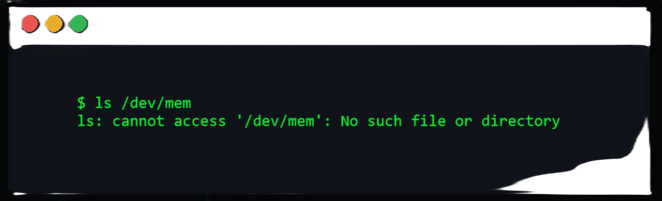
In my previous article, we made an improvement to the Hybrid Model. Now, we’ll take a dive into two of its initial stages: Requirements and Design. These initial phases lay the groundwork upon which successful implementation depends.
EmLogic and UVVM Featured in the First Edition of FPGA Horizon Journal

Code and style conventions are crucial in team projects and across a company because they promote consistency, making the code easier to read, understand, and maintain. Conventions facilitate smoother on boarding of new developers and enable better collaboration.
Poor mans FreeRTOS tracing

In my previous article, we made an improvement to the Hybrid Model. Now, we’ll take a dive into two of its initial stages: Requirements and Design. These initial phases lay the groundwork upon which successful implementation depends.
The Yocto temp directory hack

In my previous article, we made an improvement to the Hybrid Model. Now, we’ll take a dive into two of its initial stages: Requirements and Design. These initial phases lay the groundwork upon which successful implementation depends.
UVVM Assertions
Code and style conventions are crucial in team projects and across a company because they promote consistency, making the code easier to read, understand, and maintain. Conventions facilitate smoother on boarding of new developers and enable better collaboration.
Accessing I2C devices from userspace in Linux
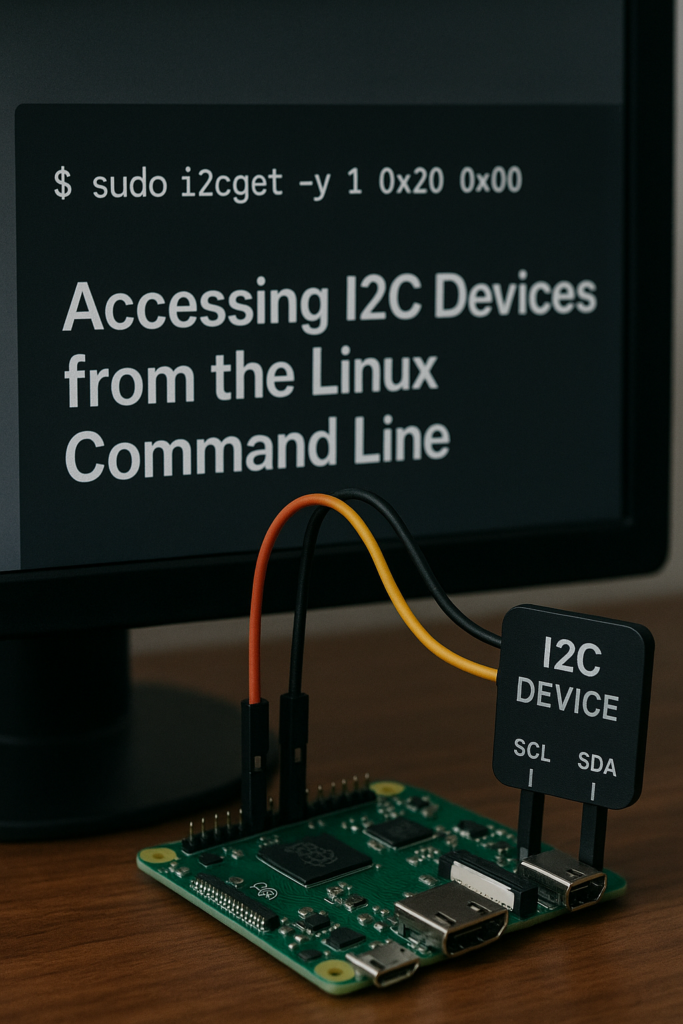
In my previous article, we made an improvement to the Hybrid Model. Now, we’ll take a dive into two of its initial stages: Requirements and Design. These initial phases lay the groundwork upon which successful implementation depends.
Zephyr RTOS and its Impact on IoT

In my previous article, we made an improvement to the Hybrid Model. Now, we’ll take a dive into two of its initial stages: Requirements and Design. These initial phases lay the groundwork upon which successful implementation depends.
Customer Needs to Implementation: Building a Strong Foundation for Success

In my previous article, we made an improvement to the Hybrid Model. Now, we’ll take a dive into two of its initial stages: Requirements and Design. These initial phases lay the groundwork upon which successful implementation depends.